
Did you know that over 12 million people in Thailand are affected by PM 2.5 in their daily lives?
This, coupled with the 32,000 annual deaths, really makes you think: how can we stop PM 2.5 from ruining people’s lives?
SDG 3 talks about ‘Healthcare & Wellbeing’, and a big concern and problem in big cities, especially Bangkok, is PM 2.5. PM 2.5 is a fine particle that is emitted from cars, factories, and other activities related to the combustion of fossil fuels. An average person inhales about 330-480 micrograms of PM 2.5 per day. The official “safe” limit of PM 2.5 is 37.5 micrograms per cubic meter, which is 2-3 times higher than what the World Health Organization (WHO) recommends. Still, PM 2.5 often exceeds the limit of what is officially considered safe. For people who are living here long-term, this is a large problem.
The particle bypasses the nose and throat, penetrating deep into your lungs and eventually into your bloodstream. Short-term exposure to PM 2.5 can lead to throat irritation, a dry cough, and itchy or watery eyes. Long-term effects include heart disease, reduced lung function, and asthma flare-ups.
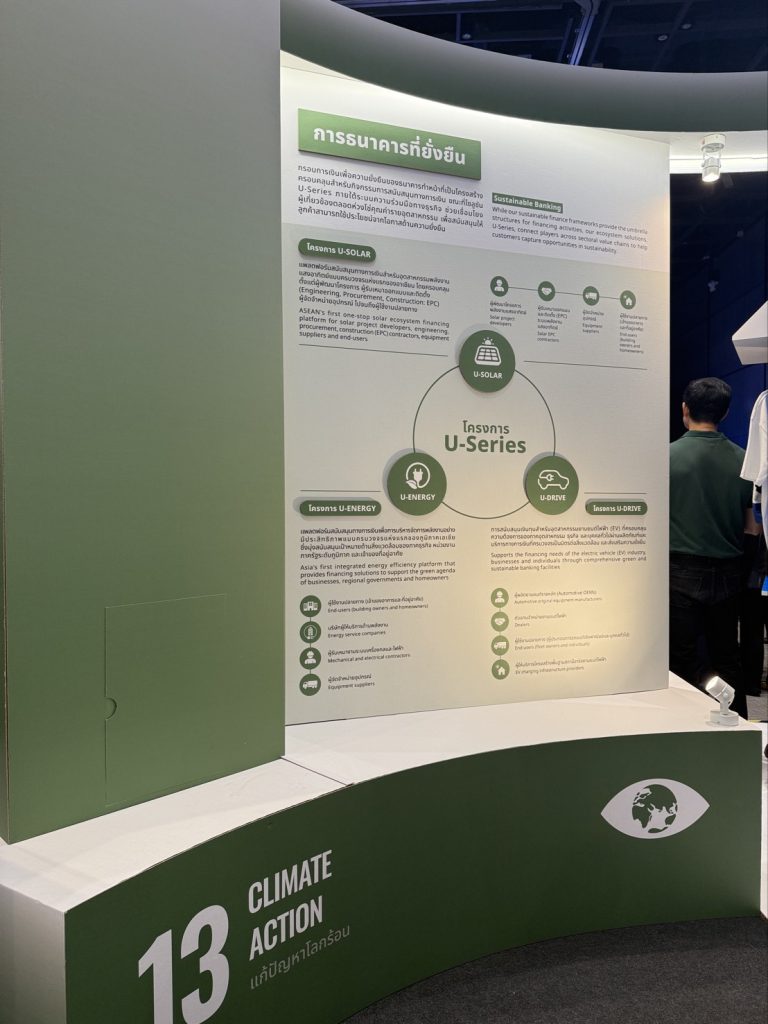
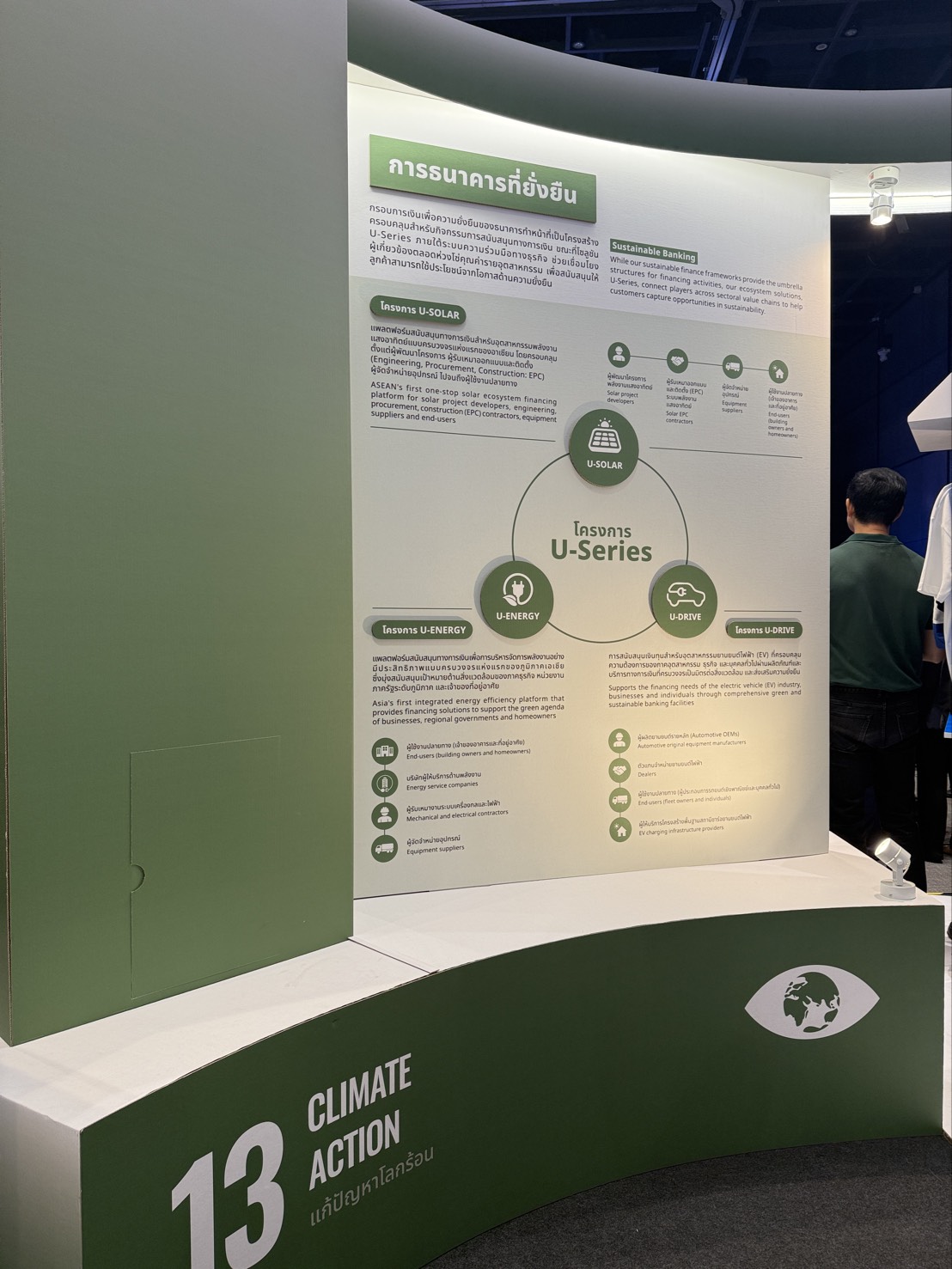
This problem not only affects humans but also the environment in Thailand. PM 2.5 contributes heavily to current global warming; tiny black carbon particles called soot absorb sunlight and warm up the atmosphere. This means that temperatures will begin to rise, creating longer droughts, harsher floods, and coastal erosion, a problem addressed in SDG 13 ‘Climate Action’. The once pristine lengths of golden sand in Phuket and Pattaya will become nothing more than crumbling sand cliffs with debris-filled mudflats.
So how do we fix this? A main cause of PM 2.5 is the sheer number of cars on the streets of Bangkok, so one way we can cut down PM 2.5 emissions is to drive less. One way we can do this is to opt to walk and cycle more. If you find cycling or walking tiring, you can also use public transits (MRT&BTS) or switch to electric cars. But it’s not only transportation that’s a big problem; we can also help cut PM 2.5 emissions from our homes by conserving energy, investing in a garden, and recycling waste instead of burning it.
So why wait until our lungs turn black and our beaches run dry? Start today, for a better, healthier, and more sustainable future.
Contributors
- Team: Sustainable Gen
- Piptaphon Leabchantra, International School Bangkok
- Krit Phota, Srinakharinwirot University Prasarnmit Demonstration School (SPSM)
- Siriroj Panyasen, Ekamai International school
- Thamon utchin, Srinakharinwirot University Prasarnmit Demonstration School (SPSM)
- Phanchin Phota, Uppingham School